
West Valley Animal Shelter: How Neighbors Can Help Pets Find Homes |
Adoption, fostering and practical pet-support resources at the Chatsworth shelter |
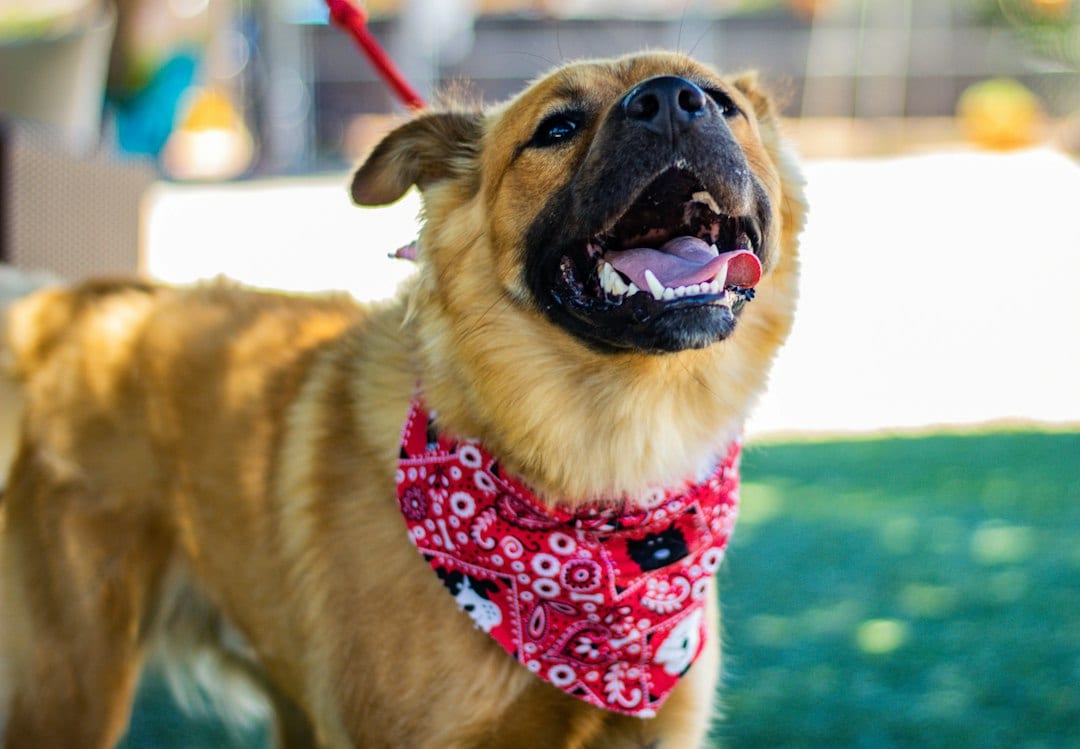
A pet's path into a permanent home often depends on one person taking the time to read a profile, ask a question or make a visit they had not planned.
For residents of the western San Fernando Valley, those opportunities exist close to home at the West Valley Animal Services Center in Chatsworth.
The facility at 20655 Plummer Street serves a large group of communities, including Woodland Hills, Canoga Park, West Hills, Winnetka, Reseda, Tarzana and Chatsworth.
Finding an adoptable dog or cat is not simply a matter of choosing the most appealing photograph; the more important task is identifying a realistic match between an animal and a household.
A quiet apartment, a busy multigenerational family, an active outdoor routine and a home with existing animals all create different requirements for a successful introduction.
Prospective adopters should think through schedule, budget, housing rules, transportation, veterinary care and the amount of daily attention an animal is likely to need.
Young animals may require patience with training and house manners, while older pets may have well-established temperaments or medical needs that deserve careful conversation.
The shelter publishes individual pet profiles, but these listings change as animals are adopted, transferred, placed in foster homes or receive veterinary care.
That is why a dated poster or social media share must never be treated as proof that an animal remains available on the day someone decides to visit.
Foster care can be especially significant because an animal living temporarily in a home may gain a calmer environment and caregivers who can describe its everyday habits.
Some foster animals are not physically present at the shelter, so families may need to contact the foster program or arrange the appropriate next step before meeting them.
An animal listed as being in foster care should not be presented as waiting in a public kennel, and readers should follow the contact method provided with its current profile.
Two examples previously highlighted for local readers were Oreo and Dre, each identified by an individual Los Angeles Animal Services record rather than by a generic stock photograph.
Those profiles were associated with the West Valley shelter, but their present adoption status must be checked again before anyone republishes a claim that they are available.
Adopters should be prepared to ask useful questions about energy level, leash behavior, comfort around people, other pets and any known medical or behavioral considerations.
Staff members and foster caregivers may be able to explain which observations are established and which remain uncertain, particularly for animals still adjusting to new surroundings.
That distinction matters because shelter behavior does not always reveal how a pet will act after several weeks in a stable household.
Bringing home an animal is also the beginning of a transition, not the conclusion of an adoption story, and a realistic plan can prevent avoidable stress.
Prepare a quiet introductory space, confirm identification and veterinary records, establish feeding routines and gradually introduce new experiences rather than overwhelming the pet on its first day.
Families with children should supervise early interactions, teach respectful boundaries and allow animals places where they can rest without being disturbed.
Those unable to adopt can still contribute through fostering, volunteering, donations or carefully sharing accurate adoption information with people who are genuinely ready for responsibility.
Accuracy is an act of care in animal promotion because an incorrect status, contact address or description can waste valuable time and create disappointment for families.
The center also provides information on services and alternatives that may help households avoid surrendering pets when temporary hardship creates difficulties.
Pet food assistance and resources intended to keep animals with existing families are worth exploring before assuming relinquishment is the only available option.
The West Valley shelter lists public visiting hours Tuesday through Friday from 8 a.m. to 5 p.m. and Saturday and Sunday from 11 a.m. to 5 p.m., with Monday closed.
Operating schedules and appointment requirements can change, so visitors should confirm current instructions rather than rely on an older flyer or an unrelated shelter's policy.
The general phone number is 888-452-7381, and families interested in a foster animal should use the direct contact instructions shown on that animal's individual listing.
Helping local pets find suitable homes does not require dramatic gestures; it requires preparation, honest information, patience and neighbors who are willing to follow through.
That is the practical promise of a regional publication's adoption coverage: connect real animals with people equipped to care for them, while recognizing that every profile represents a living individual.
Families should consider what happens after the initial excitement fades, including the cost of ongoing preventive care, appropriate exercise and a reliable plan for emergencies or travel.
Anyone sharing an adoption poster should use the exact animal identification number so the shelter or foster coordinator can find the correct record despite similar pet names.
A successful adoption program depends on trust: honest descriptions, clear procedures and follow-up support are more valuable than exaggerated promises about an animal's personality. |
0 Comments
Join the conversation
Be the first to comment
Share your thoughts above.