Sherman Way in Canoga Park: The Main Street Worth Rediscovering |
Independent shops, neighborhood food and a historic theater give this West Valley corridor its personality |
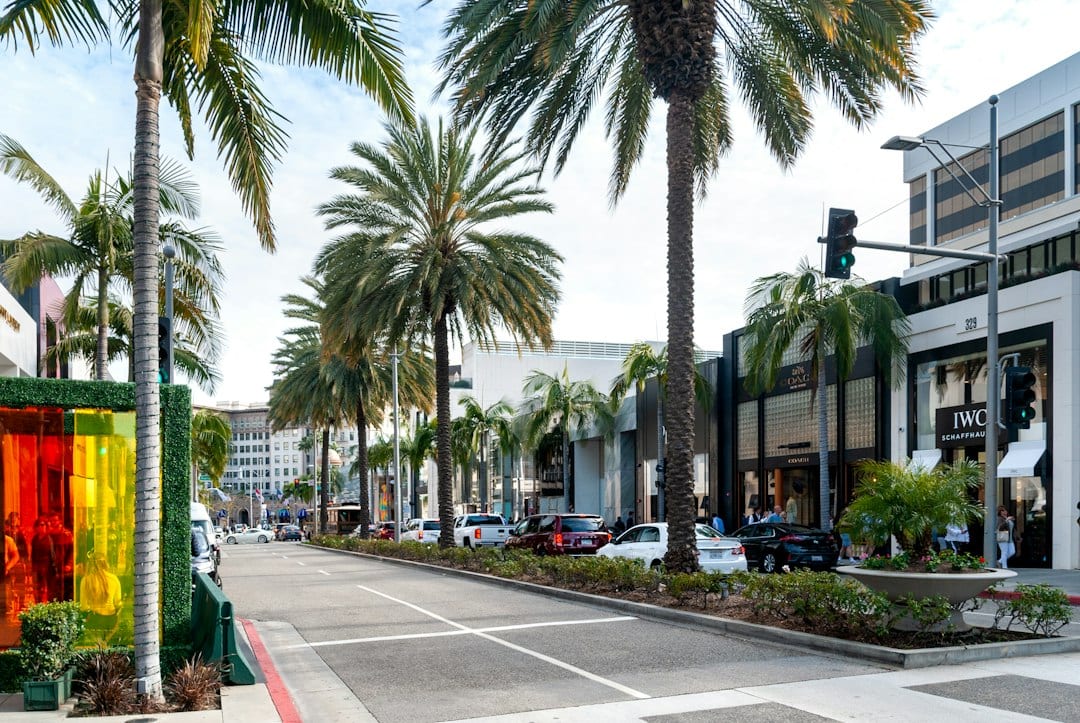
Sherman Way is more than a route through Canoga Park; it is an invitation to notice the everyday businesses that make one West Valley neighborhood feel distinctly different from another.
The people who stop here for lunch, buy a specialty ingredient or recognize a familiar shopkeeper participate in a local economy that depends on steady neighborhood attention rather than occasional grand openings.
That distinction matters because independent commercial streets work differently from enclosed shopping malls: businesses share sidewalks, customers discover nearby shops by accident, and a single errand can become an afternoon spent exploring.
Start with a simple question the next time you drive through downtown Canoga Park: how many of the storefronts along Sherman Way could you name without looking at a directory?
The answer may be fewer than expected, not because the corridor lacks worthwhile destinations, but because commuting habits can make familiar surroundings almost invisible to the people who live nearby.
Canoga Park offers an unusually accessible way to break that routine, particularly around the stretch of Sherman Way where independent food retailers and neighborhood restaurants operate within a compact district.
One longtime presence is Follow Your Heart Market & Café at 21825 Sherman Way, whose story began in 1970 with a small vegetarian counter and developed into a plant-based restaurant and market.
The combination of shopping and eating under one roof illustrates something valuable about a neighborhood business: the destination can become part of a regular routine instead of an isolated special occasion.
A few storefronts away, Cavaretta's Italian Deli at 22045 Sherman Way represents a different food tradition, with its own history serving local families through deli sandwiches, Italian specialties and grocery items.
These establishments should not be mistaken for interchangeable attractions simply because both involve food; their products, customers and histories show how a commercial corridor can accommodate different tastes and spending habits.
The same principle applies to service businesses, shops and other neighborhood enterprises that rarely receive the attention given to nationally recognizable chains.
Shopping locally is not a moral contest in which residents must abandon convenient larger stores; it is a practical decision to include nearby independent businesses among the options they consider.
Local discovery begins by walking a manageable stretch rather than racing from one destination to the next, noticing operating hours, menus, window displays and the businesses that sit between major intersections.
A useful first outing might include a planned lunch, a stop at a specialty market and time to explore storefronts that otherwise blend into the scenery during a hurried drive.
Photographs of old buildings and storefront details can also prompt worthwhile questions about how the neighborhood has changed as the western San Fernando Valley has grown.
The Madrid Theatre at 21622 Sherman Way provides a particularly vivid reminder of that history, although it is presently closed for renovations and must not be promoted as an operating performance venue.
Built in 1926 as a silent movie house when the community was known as Owensmouth, the building has witnessed generations of neighborhood entertainment and changing expectations about public gathering places.
That story puts today's shops into a wider context: community identity is not produced by a single project or marketing slogan, but accumulates through decades of residents repeatedly using familiar streets.
Some businesses will change hands, some will close and new ones will arrive, making the work of documenting local commerce a continuing editorial responsibility rather than a one-time promotional campaign.
For readers, the payoff from exploring is immediate: closer options for a meal, a gift, household supplies or a service that might otherwise require a longer drive.
For businesses, meaningful attention from neighbors can introduce new customers who are likely to return because the location fits their regular travel patterns.
Residents can also help by recommending businesses with accurate names, addresses and descriptions rather than assuming that a familiar place is already widely known.
Details still matter: hours, menus and ownership can change, so an old social post should never substitute for a current listing or direct confirmation before a trip.
Canoga Park's improvement association maintains information about eateries and markets, offering one starting point for readers who want to look beyond the most prominent storefront signs.
The publication's role is to build on that starting point with individual business profiles, useful neighborhood reporting and clear distinctions between editorial coverage and paid promotion.
Ultimately, a strong main street is not only measured by vacancy rates or the number of cars passing through; it is also measured by whether people know, use and value the places on it.
The next time Sherman Way is part of your route, consider making a deliberate stop, because one overlooked business might become a favorite part of your West Valley routine.
A good neighborhood outing also works without a large budget: take a walk, compare menus, browse a storefront window and save a promising destination for another day.
If an establishment is closed when you arrive, consider checking adjacent shops rather than assuming the trip was wasted, and share accurate business information with friends who live nearby.
Editorial coverage is most useful when it offers practical context alongside enthusiasm, including the difference between confirmed historical facts and promotional claims that still deserve independent verification. |
0 Comments
Join the conversation
Be the first to comment
Share your thoughts above.